Water finds the smallest gap, then turns it into a doorway. After twenty years crawling around Mississauga foundations, from Port Credit bungalows to new builds in Churchill Meadows, I have watched tiny hairline cracks turn into stained baseboards and swollen laminate. Most homeowners don’t call until the basement smells earthy or a box of winter boots goes soft with mildew. By then, the fix costs more than it would have months earlier. What makes it worse is the advice that friends, forums, and big-box aisles hand out. Some of it holds water. Much of it does not.
This is a plainspoken guide to what actually works in our local conditions, and what is just wishful thinking. It draws on jobs we have completed in Mississauga clay, on lake-effect snow days, during spring thaws, and after those sudden summer cloudbursts that overwhelm catch basins. If you are comparing waterproofing services or typing waterproofing services near me into your phone after a wet weekend, use this to sort signal from noise.
What Mississauga basements are up against
The city sits on mixed soils, but a large share of neighbourhoods, especially east of Mavis and parts of Cooksville, sit on dense clay. Clay swells when wet and shrinks when dry, which pries at foundation walls and footings. Combine that with a high water table nearer the lake and you get hydrostatic pressure. That is the invisible force pushing water through pores in concrete and mortar joints.
Our weather adds a one-two punch. Freeze-thaw cycles create lateral pressure on foundation walls. Heavy summer rains drop a lot of water fast, and downspouts tied into old weeping tiles make it worse by feeding the perimeter instead of draining it. When you see a damp line at the cove joint where the slab meets the wall, or rust on the bottom of a steel I-beam, you are seeing either surface water from poor grading or groundwater from a stressed drainage system. The cause matters, because the right solution lives or dies on that diagnosis.
Myth 1: A coat of paint seals a wet wall
Waterproofing paint helps with surface dampness and salt efflorescence. It does not stop bulk water under pressure. I once visited a basement in Meadowvale where the owner had applied three coats of a popular “waterproofer” over a cool, clammy wall. It looked good for six weeks. Then the paint blistered like a bad sunburn, and the first real rain drove water out through the seams. Once hydrostatic pressure is involved, a topical film on the interior side is like taping a sticker over a crack in a garden hose. Paint can be part of cleanup or vapor control, not your primary defense.
What works instead depends on where the water originates. If it is seepage through pores with no active flow, interior negative-side coatings paired with interior drainage can help manage vapor. If water enters through joints or cracks, you need crack injection or a drain path that relieves pressure. If the exterior system has failed, the fix likely lives outside.
Myth 2: Newer homes are immune to water problems
Modern foundations use poured concrete and code requires damp proofing, not waterproofing, in most cases. Many new builds in Mississauga receive a spray-on asphalt damp proofing and a dimpled membrane. That handles common moisture, but it is not a guarantee against all water events.
I have repaired leaks in a five-year-old house near Erin Mills where settlement opened a vertical shrinkage crack behind finished drywall. Another near Lisgar had a sump pit and pump, but the check valve failed during a storm and the pit backflowed. New homes often have tight construction that magnifies humidity problems, so condensation behind vapor-impermeable finishes becomes mold before anyone notices. Age helps nothing if grading is flat, downspouts dump beside window wells, or the weeping tile daylights into a crushed section at the side yard.
Myth 3: Interior drains eliminate the need for exterior work
Interior perimeter drains, sometimes called French drains, capture water at the footing from the inside. They are effective at relieving hydrostatic pressure beneath the slab and can keep a basement dry even when exterior weeping tiles are clogged. They also install with less disruption than exterior excavation. That makes them attractive.
But they do not stop exterior wall saturation. If the wall remains soaked during every rain, freeze-thaw damage and efflorescence continue. In finished basements, interior systems demand cutting the slab along the perimeter, trimming studs, and re-finishing after. That cost approaches exterior work for some layouts. For a cold room or a block wall that wicks, exterior excavation with new weeping tile, washed stone, and a proper waterproofing membrane often gives a longer service life. The best plan sometimes combines both: exterior work where grade allows, and targeted interior drains where access is blocked by a porch or shared driveway.
Myth 4: A sump pump is the silver bullet
A reliable sump pump is a workhorse, but it only solves the problem it is connected to. If the weeping tile does not reach the pit or is silted shut, the pump will not see the water that is pushing on your wall. If the discharge line freezes at the exterior elbow, expect water to recirculate and the pit to overflow. I have replaced pumps that died in their first serious storm because they were cheap builder-grade units pulling muddy water without a proper basin or check valve.
We recommend sealed basins, cast-iron pumps from reputable brands, dedicated circuits with GFCI where compliant, and a battery backup if the house loses power during storms. Many Mississauga blocks experience flickers right when rain peaks, and a two to three hour outage is enough to flood a pit. A backup buys you that window. Still, the pump does not fix cracks, grading, or a failed exterior membrane. Treat it as one layer, not the entire plan.
Myth 5: Hydraulic cement will fix any crack
Hydraulic cement is handy. It expands as it cures and can plug weeping points. On a pressurized crack, especially a cold joint, it often fails because it bonds mechanically, not chemically. Seasonal movement breaks the bond and water reappears.
For structural cracks, we use two-part epoxy injection to weld the concrete. For non-structural leaks, flexible polyurethane foam injection fills the crack and stays elastic. Both require clean access to the wall from the interior and careful port spacing. On block foundations, crack injection is less effective because the cores move water. There, an interior drain and wall membrane, or exterior parging with a full-height membrane, is superior.
Myth 6: Grading and gutters are enough on their own
Good grading, extended downspouts, and clean eavestroughs prevent a surprising number of leaks. I have watched basements go from wet to dry when we added a four-foot downspout extension, re-sloped a two-inch depression along a walkway, and cleared a blocked leader.
But once the water table rises or clay swells after a week of steady rain, surface fixes do little. If you see water entering at the cove joint or up through floor cracks in the center of the basement, that is not a downspout problem. Maintain grade and gutters as your first line. Do not stop there if groundwater signs persist.
Myth 7: Waterproofing and damp proofing are the same thing
Damp proofing usually means an asphalt-based spray that resists capillary moisture. Waterproofing is a system that resists liquid water under pressure. That often includes a polymer-modified membrane, full-height coverage, sealed seams, dimple board for drainage plane, proper terminations, and a weeping tile in washed stone wrapped in filter fabric. The names get mixed in marketing, and some quotes blur the line.
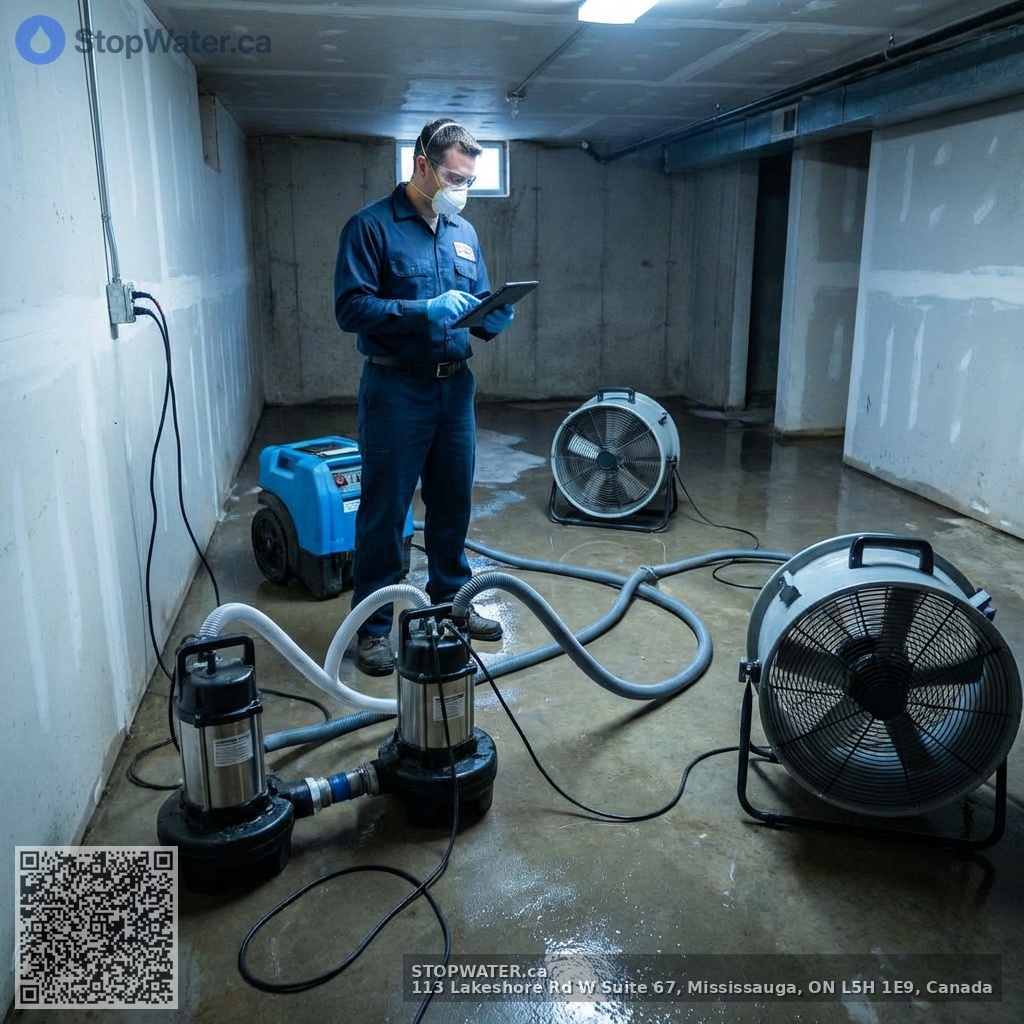
Ask your waterproofing contractor to define materials by brand and spec, show how they handle joints and penetrations, and explain how the system deals with hydrostatic pressure. If the solution is a quick spray coat with no drainage or protection board, that is damp proofing. It has a place on dry lots, not on a wet spring site near a ravine.
Myth 8: You can only waterproof from the outside
Exterior work is the gold standard when practical because it keeps the wall dry. There are times you cannot excavate. A shared driveway in Mineola, a porch tied into the foundation, mature roots, or a low side yard that would require shoring can all make exterior work disruptive or prohibited. In finished basements with recurring cove seepage, an interior drain with a sealed wall membrane, sump, and vapor barrier under new flooring can produce a dry, healthy space for decades.
I think in terms of water management hierarchy. Keep water away from the wall with grade and downspouts. If walls are soaked, stop it outside. If you cannot, relieve it inside and protect finishes with smart vapor control and dehumidification. Either path can be right. The wrong choice is to do nothing because the perfect option is hard.
Myth 9: Wait until spring for basement work
Waterproofing in winter is not ideal, but waiting can be costly. Clay shrinks in deep cold, so cracks may close and hide until thaw. Then they widen fast. Interior crack injections and interior drain installations proceed year-round. Exterior membranes and pargings have minimum temperature and substrate moisture requirements, but there are winter-grade products, and tented, heated work zones allow many jobs to continue.
One Lakeview homeowner waited until April after a January leak. By then the gypsum at the base of multiple walls had wicked moisture and mold bloomed behind the paint. Instead of a crack injection and small baseboard repair, we removed thirty linear feet of drywall, treated mold, and rebuilt. Acting when the problem appears usually saves money.
Myth 10: Groundwater seepage is covered by standard insurance
Most policies exclude groundwater seepage and repeated leakage. Some offer sewer backup coverage and rider options for overland flooding or sump failure. The fine print matters. After the July 2013 storm, many Mississauga homeowners learned too late that they had no coverage for a rising water table that pushed through slab cracks. A call to your broker to clarify your coverage, combined with modest upgrades like a backwater valve and sump alarm, yields more protection than false confidence.
Quick myth-to-reality snapshots
- Paint stops dampness, not pressurized water. If a wall is cool and sweating, paint is cosmetic at best. New builds can leak. Code-level damp proofing is not a lifetime waterproofing system. Interior drains manage water, they do not dry the wall from the outside. A sump pump needs a proper drain path, a check valve, and backup power to be effective. Hydraulic cement plugs, epoxy or polyurethane injections seal, and each has a right use case.
What a thorough assessment actually looks like
A careful inspection starts outside. We walk the lot during or right after rain whenever possible. Water behaves differently in real time than in dry weather. I look for depressions along the foundation line, downspouts within six feet of the wall, window wells without drains, and settling under porches. Soil against brick veneer is a red flag. Wherever feasible, we probe the first few inches of soil to feel for compacted clay versus clean backfill.
Inside, I use a pinless moisture meter on baseboards, drywall, and the slab edge. I check the cove joint waterproofing service near me for efflorescence and the lower wall for cold spots, then pull a few baseboards if allowed. If there is a sump pit, I test the pump and check the discharge line outside for freeze risk. On block foundations, tapping often reveals hollow-sounding sections where cores hold water.
The aim is to identify whether the problem is surface water, rising groundwater, or a point leak. That choice drives the solution. I do not start with a product recommendation. I start with a cause.
Real numbers, real timelines, and what drives cost
Homeowners ask for ballpark pricing. It varies because houses vary. In Mississauga, exterior excavation and full-height waterproofing along a straight, accessible wall is often quoted by linear foot. Access, depth, and obstructions swing the number. A simple 24 foot run on a side yard with one gate may take two to three days with a small crew. Add a concrete walkway to remove and replace, or a gas line to hand dig around, and it stretches to four or five days.
Interior perimeter drains also price by linear foot. Finished spaces add labor for careful demolition and later rebuild. A partial interior drain on a 15 foot wet corner with a new sump might happen in a day and a half. A full perimeter on a complex basement often needs three to four days. Crack injections, if the wall is exposed and dry enough for epoxy, can be completed in a few hours, with costs shaped by crack length and access.
Expect warranties to range depending on the scope. Membrane systems installed to spec with protected drainage often carry longer assurances than patchwork repairs. The best waterproofing services explain what the warranty covers and what it does not, and they put it in writing you can understand.
Choosing the right waterproofing contractor in Mississauga
Good waterproofing looks simple from the surface. The hard part is building a system that still works five, ten, fifteen years later when soils move and discharge lines freeze. When you evaluate waterproofing services Mississauga homeowners recommend, focus less on the lowest number and more on fit for your house.
Ask how they handle corners, tie-in the membrane to the footing, and protect the membrane from backfill damage. Ask which weeping tile they use, whether they bed it in washed stone, and how they keep silt out. Ask for proof of insurance and WSIB, and verify municipal licensing if they are taking out a permit for a backwater valve. A trustworthy waterproofing contractor walks you through materials by name, not vague “tar” or “rubber,” and shows photos of similar local projects. If you are searching waterproofing services near me, narrow your list to companies willing to explain why they recommend exterior, interior, or both, and who do not oversell a one-size-fits-all fix.
Edge cases we see often in the city
Walkout basements at the rear of a sloped lot tend to channel water along the side yards. The wall that looks dry eight months of the year becomes a spring headache. Here, shallow swales, a perforated collector drain beneath decorative stone, and proper step flashing against the walkout stairs often matter as much as membranes.
Cold rooms and cantilevered porches leak differently. The slab above the cold room has uninsulated, exposed exterior edges. Moisture condenses on the metal lintel and along the concrete, then drips. Many of these “leaks” are actually condensation. Air sealing, rigid insulation at the header, and a proper exterior membrane at the cold room walls solve the root cause.
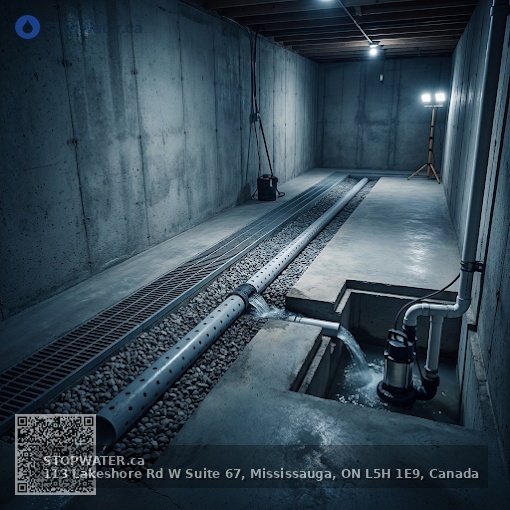
Window wells deserve their own line. A well without a drain to the weeping tile, or one filled with mulch instead of clear stone, becomes a bathtub. After a thunderstorm, I have found wells brimmed to the sill. The fix can be simple: add a vertical drain tied to the perimeter tile, reset the well at the right height, and backfill with clean stone to promote flow. A clear cover helps in problem corners but do not rely on it alone.
Tying storm water into the municipal system is tightly regulated. Many older homes connected downspouts to weeping tiles which then discharged to the sanitary line. Municipalities across the GTA, including Mississauga, have restricted or eliminated these connections. Before you reroute anything, speak to the city and your plumber. Some rebates have existed in the GTA for backwater valves and sump systems, but programs change. Check current City of Mississauga and Region of Peel guidance, and get permits for plumbing changes that affect backflow prevention.
After the work: maintenance that keeps the system healthy
A waterproofing system is not a set-and-forget appliance. Gutters clog, pumps age, and discharge lines get knocked crooked by a kid’s bike. I keep my advice simple. Clean eavestroughs in spring and fall. Verify that downspout extensions remain attached and carry water at least six feet away. Test your sump by pouring water until it cycles, and listen for the check valve click. If you have a battery backup, unplug the main to ensure the battery kicks in. Keep the basin sealed if you have a radon mitigation concern or want to limit basement humidity. Inside, run a dehumidifier in summer set around 50 percent relative humidity to prevent mold growth on organic finishes.
If your system includes an exterior discharge, make sure the outlet is above grade, protected from ice buildup, and not buried by landscaping. If you notice a new white powder line on a concrete wall, or a musty odor after heavy rain, call the contractor while the warranty is active. Small issues are easy to correct early. Waiting invites bigger ones.

Five red flags that say you need a professional look
- A damp line exactly where the floor meets the wall, especially after steady rain. Efflorescence that reappears after cleaning, along with peeling paint. A musty smell that lingers despite running a dehumidifier. Water stains creeping out from behind finished walls or swollen baseboards. A sump that runs constantly during light rain or gurgles without moving water.
Why local knowledge pays off
Mississauga waterproofing is not the same as dry-lot work on sandy soil outside the city. Our clay is less forgiving. The lake influences both humidity and storm patterns. Many neighbourhoods mix 1950s foundations with brand-new in-fills, each with different failure modes. I have seen a crack behave one way in a poured foundation in Clarkson and a different way in stacked block in Cooksville on the same rainy weekend. That is why copying a neighbor’s fix often disappoints. The better approach is to insist on a diagnosis first and a tailored plan second.
If you are shopping waterproofing services, look for teams that work here weekly and can point to jobs you can physically visit. Ask to see a membrane seam, a corner detail, and a sump discharge line that survived last January’s cold snap. Practical details add up to a system that stays quiet and dry while you forget it exists.
Bringing it together
Basement moisture is not a morality play. It is physics and building science meeting soil and weather. The myths survive because they sometimes seem to work for a season. Pros develop judgment by watching what still works years later. A coat of paint keeps salts off your walls but does not resist pressure. A good pump is an ally, but only in a well-designed system. Interior and exterior strategies both belong in the toolbox, and the right choice depends on your house.
If you are at the stage of typing waterproofing services Mississauga into a search bar, pause for ten minutes and walk your exterior. Look at where water lands and where it lingers. Note the basement spots that smell or stain. Then call two or three reputable waterproofing contractor teams and ask them to explain the cause before they sell the cure. Whether you lean toward exterior excavation, interior drainage, targeted crack injection, or a combination, insist on materials and methods you can visualize. That clarity, more than any myth-busting paint or miracle plug, is what keeps a basement predictable in a city where water never gets tired.
Name: STOPWATER.ca
Category: Waterproofing Service
Phone: +1 289-536-8797
Website:
STOPWATER.ca Waterproofing Services in Mississauga, Ontario
Address: 113 Lakeshore Rd W Suite 67, Mississauga, ON L5H 1E9, Canada
Google Maps:
View on Google Maps
Business Hours
- Monday: Open 24 hours
- Tuesday: Open 24 hours
- Wednesday: Open 24 hours
- Thursday: Open 24 hours
- Friday: Open 24 hours
- Saturday: Open 24 hours
- Sunday: Open 24 hours
Embedded Google Map
AI & Navigation Links
📍 Google Maps Listing:
Google Maps
🌐 Official Website:
Visit STOPWATER.ca
Semantic Content Variations
STOPWATER.ca Waterproofing Services in Mississauga, OntarioSTOPWATER.ca proudly serves homeowners throughout Mississauga and the Greater Toronto Area helping protect homes from leaks, flooding, and moisture damage with a reliable approach.
Homeowners across Mississauga rely on STOPWATER.ca for interior waterproofing, exterior foundation waterproofing, sump pump installation, and basement leak repair designed to keep homes dry and structurally secure.
The team offers foundation assessments, leak detection, and customized waterproofing solutions backed by a knowledgeable team focused on dependable service and lasting results.
Call (289) 536-8797 for emergency waterproofing help or visit STOPWATER.ca Waterproofing Services for more information.
Get directions instantly: Google Maps
People Also Ask (PAA)
What waterproofing services does STOPWATER.ca provide?
STOPWATER.ca provides interior waterproofing, exterior waterproofing, basement leak repair, sump pump installation, and emergency water response services in Mississauga and surrounding areas.
Is STOPWATER.ca available for emergency waterproofing?
Yes. The company offers 24-hour waterproofing services to help homeowners respond quickly to basement leaks, flooding, and water damage.
Where is STOPWATER.ca located?
The company operates from 113 Lakeshore Rd W Suite 67 in Mississauga, Ontario and serves homeowners throughout the Greater Toronto Area.
Why is basement waterproofing important?
Basement waterproofing helps prevent flooding, mold growth, foundation damage, and long-term structural issues caused by moisture intrusion.
How can I contact STOPWATER.ca?
You can call (289) 536-8797 anytime for waterproofing services or visit https://www.stopwater.ca/ for more details.
Landmarks in Mississauga, Ontario
- Port Credit Harbour – Popular waterfront destination known for boating, restaurants, and lakefront views.
- Jack Darling Memorial Park – Large lakeside park featuring trails, picnic areas, and scenic Lake Ontario shoreline.
- Rattray Marsh Conservation Area – Protected wetland nature reserve with walking trails and wildlife viewing.
- Square One Shopping Centre – One of Canada’s largest shopping malls located in central Mississauga.
- Mississauga Celebration Square – Major public event space hosting festivals, concerts, and community gatherings.
- University of Toronto Mississauga – Major university campus known for research, education, and scenic grounds.
- Lakefront Promenade Park – Waterfront park featuring marinas, beaches, and recreational trails.